Winter Range Reality Check for the Electric Vehicle Midwest Driver
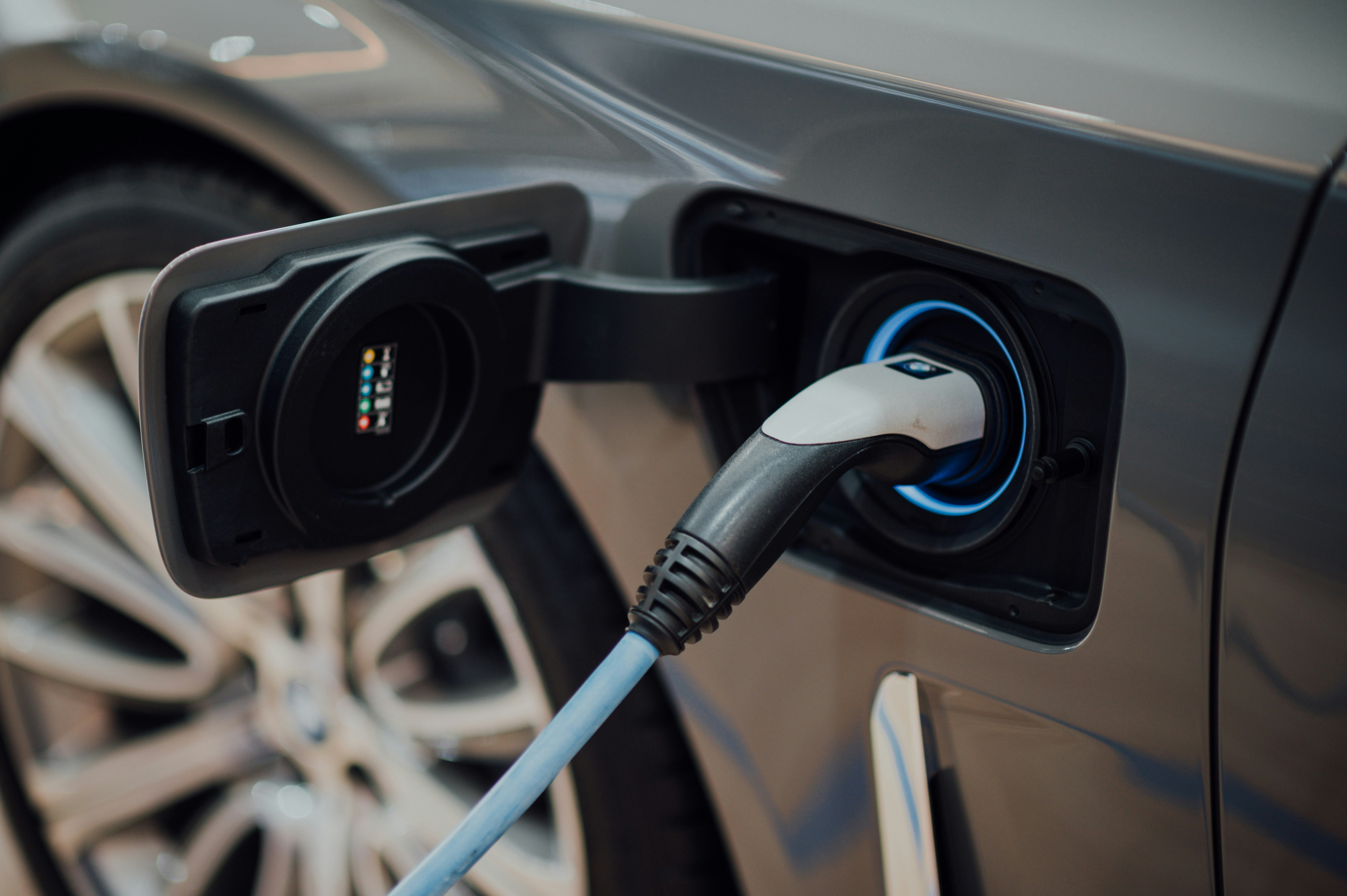
If you drive an electric vehicle (EV) in the Midwest, winter can feel like the season that “tests” your confidence. One week you’re cruising with comfortable buffer, and the next you’re watching the estimate drop faster than you expected on the first cold snap. That’s not your imagination—and it’s not necessarily a problem with your vehicle. It’s physics, plus a little bit of cabin comfort.
The simplest way to think about winter range is this: you’re asking the battery to do two jobs at once. It has to push the car down the road, and it has to create heat for you and the battery itself. In a gasoline car, cabin heat is basically “free” because it uses waste heat from the engine. In an EV, heat is a separate energy demand that comes from the same battery that powers the wheels.
Cold also changes what’s happening inside the battery. Most EVs use lithium-ion batteries, and chemical reactions inside the cells slow down in low temperatures. That can increase internal resistance and reduce how much usable energy the pack can deliver efficiently until it warms up. That’s why short winter trips can look especially rough: you spend a lot of energy on warm-up loads, but you don’t drive long enough to “average it out.”
So how much range loss is “normal”? It varies by vehicle design, outside temperature, trip length, and how aggressively you heat the cabin. But multiple sources consistently show winter can be a meaningful hit, with larger drops when it’s truly cold and the heater is working hard. The United States Department of Energy (DOE) and the American Automobile Association (AAA) have both highlighted how heating, ventilation, and air conditioning (HVAC) use can significantly reduce range in low temperatures. The Department of Energy's Energy.gov+2AAA Newsroom+2
Charging speed can also be part of the winter story, especially on road trips. Fast charging works best when the battery is within a temperature “sweet spot.” When the pack is cold, charging power can be limited until it warms. That’s why you’ll hear drivers say, “It charged slower than usual,” even though the station was fine. This isn’t a Midwest-only issue, but in places like Illinois, Michigan, Minnesota, and Wisconsin, it’s a routine reality from December through March.
Now for the good news: EV technology has gotten a lot better at dealing with winter than many people realize. The biggest leap is thermal management—how the vehicle heats and cools the battery and cabin. Many newer EVs use more efficient heat-pump-based systems rather than relying only on resistive heating. A heat pump can move heat instead of creating it from scratch, which can reduce the energy penalty for staying comfortable. You’ll also see more sophisticated coolant loops and smarter controls that prioritize warming the battery when conditions call for it.
This is also where “preconditioning” enters the conversation. In plain English, preconditioning means the vehicle tries to bring the battery (and sometimes the cabin) toward a better temperature for driving or charging. It’s not a magic button, but it’s an example of software and thermal design working together to make winter performance more predictable. The DOE has discussed EV cold-weather behavior and preconditioning as a practical concept for optimizing winter performance. The Department of Energy's Energy.gov
Battery chemistry matters, too, but it’s not as simple as “one chemistry is always better in winter.” Lithium iron phosphate (LFP) and nickel manganese cobalt (NMC) packs each come with tradeoffs in energy density, cost, and cold behavior. Manufacturers tune their battery management systems around these tradeoffs, which is why real-world winter performance can differ even among vehicles with similar rated range. The National Renewable Energy Laboratory (NREL) has also published research looking at cold-climate realities and how different technologies affect performance. NREL Docs
For anyone shopping right now—especially in the electric vehicle Midwest market—this is the mindset I recommend: don’t treat the official range estimate as a promise. The United States Environmental Protection Agency (EPA) is clear that range varies with conditions, including cold weather and accessory use. Instead, think in buffers. If your typical day is 25–40 miles, winter range is usually manageable with routine charging access. If you’re routinely doing 150–250 miles in a day in January, the details of thermal design, charging strategy, and real-world winter efficiency start to matter a lot more. US EPA+1
And if you’re already an owner, winter is a good season to notice patterns without panicking. Ask yourself: are the biggest drops happening on short trips? Is the cabin heat your main comfort load? Do you notice different behavior after the vehicle has been driving for a while? Those observations help separate “normal winter physics” from something that might deserve a quick check.
If you want help translating winter range reality into confidence—whether you’re buying, switching brands, or just trying to understand what your EV is telling you—this is exactly the kind of practical, Midwest-grounded conversation I do every week. Schedule a consultation and we’ll turn the winter guesswork into a simple set of expectations you can trust.
Sources & References:
- https://www.energy.gov/articles/winterizing-your-electric-vehicle (January 30, 2024) The Department of Energy's Energy.gov
- https://newsroom.aaa.com/2019/02/cold-weather-reduces-electric-vehicle-range/ (February 07, 2019) AAA Newsroom
- https://exchange.aaa.com/automotive/automotive-testing/electric-vehicle-range/ (February 07, 2019) AAA Exchange
- https://www.epa.gov/greenvehicles/electric-plug-hybrid-electric-vehicles (June 12, 2025) US EPA
- https://docs.nrel.gov/docs/fy25osti/92113.pdf (2025) NREL Docs